
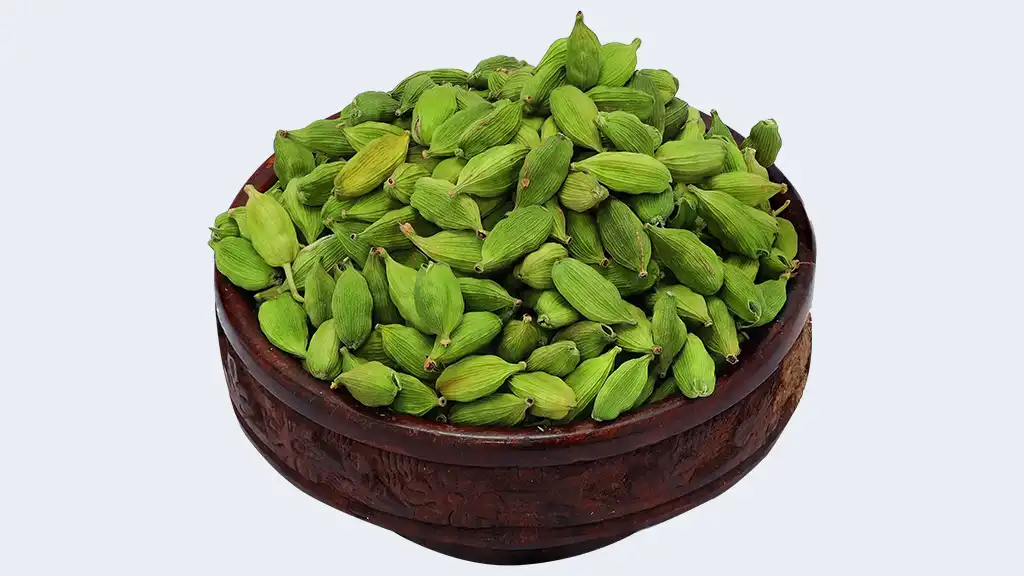
Alleppey Green Cardamom
The Emerald of the Ghats: Unraveling the Mystique of Alleppey Green Cardamom
If you happen to find yourself tumbling down an internet rabbit hole and land on the “[Alleppey green cardamom – Wikipedia]” page, you might initially assume you are reading about a simple, everyday pantry staple. You would be deeply mistaken. What unfolds on that page—and in the centuries of historical records it references—is the epic saga of a spice that built empires, commanded royal monopolies, and captivated the palates of everyone from ancient Greek philosophers to modern-day Scandinavian bakers. Known globally as the “Queen of Spices,” cardamom is an exotic treasure, but the Alleppey Green variety stands entirely in a league of its own. To truly understand its prestige, we must embark on a journey that transcends a simple encyclopedia entry, delving into the misty peaks of the Western Ghats, the bustling ancient ports of the Malabar coast, and the intricate chemistry that creates its intoxicating aroma.
The Antiquity of the Queen
Long before it was categorized by botanists and given its modern geographical moniker, cardamom was revered in the ancient world. Historical records and spice encyclopedias reveal that as early as the 4th century BC, it was deeply embedded in Indian Ayurvedic traditions as a potent medicinal herb. Ancient Hindu texts like the Arthashastra, Susruta Samhita, and Charaka Samhita extolled its virtues. Its reputation quickly spilled over the borders of the Indian subcontinent. The ancient Greeks and Romans imported it at exorbitant prices, utilizing it primarily as a digestive aid and breath freshener after lavish banquets.
In Alexandria, it was listed among the high-value Indian spices liable to heavy customs duties. To put its historical worth into perspective, records from around 1000 BC suggest that a mere handful of high-quality cardamom was worth as much as a poor man’s entire yearly wages. It was not just a flavoring agent; it was a currency, a status symbol, and a coveted luxury that drove European explorers to map new sea routes to India.
The Great Geographical Paradox
One of the most fascinating facts you will discover about Alleppey Green Cardamom is the glaring geographical paradox hidden in its name. If you visit Alleppey (now officially known as Alappuzha) in Kerala today, you will find a picturesque coastal town famous for its serene backwaters, intricate network of canals, and elegant houseboats. What you will not find, however, is a single commercially viable cardamom plant.
Cardamom is a temperamental, shade-loving crop that demands the high altitudes, cool mists, and rich forest soils of the mountains. It thrives at elevations between 800 and 1,300 meters (2,600 to 4,300 feet) above sea level, predominantly in the Cardamom Hills of Idukki, Wayanad, Palakkad, and across the border into Tamil Nadu’s Western Ghats districts. So, why does the world’s finest mountain-grown cardamom bear the name of a sea-level coastal town? The answer lies in the 18th-century political maneuvering of the Kingdom of Travancore.
The Royal Monopoly and the Birth of a Brand
During the reign of the powerful Raja Marthanda Varma, the trading of valuable spices was brought under strict governmental control to consolidate the kingdom’s wealth. Cardamom became a royal monopoly. Farmers cultivating the spice in the lush hills were strictly forbidden from selling their harvest to private merchants. Instead, every single harvested pod had to be surrendered to government officials.
These officials then transported the massive hauls down from the mountains to the state depot located in Alleppey, which was the most prominent and bustling seaport of the Travancore kingdom at the time. In the massive warehouses of the Alleppey port, the harvested cardamom was meticulously sorted, graded, and auctioned to foreign merchants. Because the absolute best quality of these green pods was reserved exclusively for international export from this specific port, foreign buyers naturally began to associate the exceptional quality of the spice with the port itself. Thus, the trade name “Alleppey Green Cardamom” was coined. Even today, long after the royal monopolies have dissolved and the primary processing hubs have moved closer to the mountain plantations, the name remains an internationally recognized benchmark for premium quality.
The Terroir and the Forest Canopy
To cultivate Alleppey Green Cardamom is to engage in a delicate dance with nature. The spice comes from the Elettaria cardamomum plant, specifically the robust “Mysore” cultivar, which is characterized by its tall stature (growing up to 3 meters), its erect panicles, and its large, ovoid capsules. Unlike many modern agricultural crops that are grown in massive, cleared open fields, cardamom is a creature of the forest.
It is grown as an under-crop beneath the dense, natural canopy of the Western Ghats. The tall forest trees provide the essential dappled shade, while the loamy, humus-rich soil and the heavy South-West monsoon rains create a hyper-specific microclimate (or terroir) that simply cannot be replicated anywhere else on earth. Historically, the rich biodiversity of these forests, including the endemic and rare Nilgiri Marten, played a vital role in the natural propagation of the plants by consuming the fruit and dispersing the seeds across the mountains.
The Harvest: A Labor of Patience
The journey from a planted seed to a harvested pod is one of extreme patience. It takes about three years for a newly planted crop to begin bearing fruit. Flowering typically commences in April and May, and the pods take roughly four months to mature. Harvesting is an incredibly labor-intensive process. Because the capsules on a single stem do not ripen all at once, skilled plantation workers must painstakingly handpick only the mature but unripened pods at intervals of 30 to 40 days. Picking them at exactly the right stage is crucial; if left to ripen fully on the plant, the pods will split open, losing their precious seeds and volatile oils to the forest floor.
The Chemistry of the Queen
What truly separates Alleppey Green Cardamom from other varieties grown around the world (such as those in Guatemala or Sri Lanka) is its unparalleled chemical profile. The essence of cardamom lies in its volatile oil content. While ordinary cardamom might contain 4% to 5% essential oils, the Alleppey Green variety boasts an astonishing volatile oil content ranging from 7.5% to as high as 11.3%. This is the lifeblood of the spice, housing the intricate aromatic compounds that define its character.
Furthermore, the balance of these compounds is unique. Cardamom gets its aroma from a mix of chemicals, primarily 1,8-cineole, terpinyl acetate, and linalool. High levels of cineole result in a harsh, camphorous, almost medicinal smell—a common flaw in lesser grades. Alleppey Green Cardamom, however, has naturally lower levels of cineole (around 34%) and significantly higher amounts of terpinyl acetate and linalool. This specific ratio strips away the harsh eucalyptus bite, leaving behind a profoundly sweet, fruity, and elegantly floral aroma that is highly prized by gourmet chefs and master perfumers alike.
The Art of the Kiln
Appearance is just as important as aroma, and the signature visual trait of Alleppey Green Cardamom is, of course, its vibrant, uniform green color. Retaining this color post-harvest is a specialized art form. If the freshly picked, bright green pods are simply laid out to dry under the harsh sun, the UV rays will rapidly break down the plant’s chlorophyll, turning the pods a pale, unappetizing yellow or brown.
To preserve the “green gold,” the freshly washed pods are subjected to a meticulous kiln-drying process. Inside specially designed curing houses, the cardamom is spread out and subjected to controlled, indirect heat. The temperature is carefully regulated, starting low and never exceeding 65°C (149°F), while constant ventilation ensures the moisture is drawn out evenly over 24 to 30 hours. This precise method halts the degradation of chlorophyll, locking in the vibrant green hue, while simultaneously sealing the precious volatile oils safely inside the three-cornered, ribbed capsule.
Sorting the Gold: The Grading System
Once dried, the cardamom undergoes rigorous sorting. In the world of Alleppey Green, size matters, though it is a testament to the spice’s overall excellence that quality remains world-class across the board. The Indian grading system categorizes these premium pods by size, weight, and visual perfection.
The most coveted grade is AGEB, which stands for Alleppey Green Extra Bold. These are the undisputed giants of the cardamom world, with a diameter exceeding 7 millimeters, boasting a massive seed yield and an intensely rich aroma. Following closely are AGB (Alleppey Green Bold, exceeding 6mm) and AGS (Alleppey Green Superior, exceeding 5mm). Every single pod that earns one of these acronyms represents the absolute pinnacle of global spice production.
A Global Culinary Ambassador
The influence of this singular spice stretches far beyond the borders of India, acting as a culinary ambassador across wildly different cultures. In the Middle East, Alleppey Green Cardamom is not just an ingredient; it is a cultural pillar. It is the defining flavor of Gahwa, the traditional Arabic coffee. Serving Gahwa is a profound gesture of respect and hospitality in Arab culture, and the wealthy merchants of the Middle East have historically demanded nothing less than the finest Alleppey grades for their daily brews.
Thousands of miles away, in the freezing climates of Scandinavia, this tropical spice has found another unlikely home. Historical theories suggest that Vikings, trading in Constantinople, may have been the first to bring cardamom back to the North. Today, countries like Sweden and Finland consume massive quantities of cardamom per capita, infusing it into iconic baked goods like the Swedish Kardemummabullar (cardamom buns), where its warm, sweet, and floral notes cut through the buttery dough to create a comforting winter treat. And of course, in its homeland of India, it remains indispensable—the soul of a fragrant biryani, the sweet undertone in traditional kheer (rice pudding), and the uplifting, aromatic heartbeat of a piping hot cup of masala chai.
Health, Healing, and Ayurveda
Beyond the kitchen, the historical medicinal uses of cardamom remain highly relevant. In Ayurvedic medicine, cardamom is celebrated as a powerful tridoshic healer, meaning it is believed to balance all three bodily energies. Its high concentration of antioxidants and volatile oils makes it a potent natural remedy for digestive distress, alleviating bloating, indigestion, and nausea. It possesses natural antimicrobial properties, making it an excellent traditional remedy for oral health and a brilliant natural breath freshener. Furthermore, modern science is continually exploring its anti-inflammatory benefits, bridging the gap between ancient wisdom and contemporary wellness.
The Shield of Authenticity: The GI Tag
With such immense global demand and a premium price tag, the threat of imitation is ever-present. For decades, inferior varieties grown in different countries or lower-altitude regions attempted to capitalize on the famous “Alleppey” name. To protect the heritage, the farmers, and the consumers, the Government of India, spearheaded by the Spices Board, took decisive action. In 2007-08, Alleppey Green Cardamom was officially conferred with a Geographical Indication (GI) tag (GI Number 59).
This legal framework acts as an ironclad guarantee of authenticity. Much like how true Champagne can only come from the Champagne region of France, any spice marketed as “Alleppey Green Cardamom” must now strictly originate from the designated high-altitude regions of the Western Ghats in Kerala and Tamil Nadu. It must be of the specific botanical variety, and it must be processed using the traditional, chlorophyll-preserving methods. The GI tag ensures that when you purchase this spice, you are experiencing the exact same standard of excellence that captivated kings and foreign merchants centuries ago.
To return to where we began, a simple click on the “[Alleppey green cardamom – Wikipedia]” link is truly the gateway to a magnificent story. It is a story woven through the fabric of human history, dictated by the relentless pursuit of flavor. From the shaded, mist-covered canopies of the Western Ghats to the ancient royal depots of the Malabar coast, and finally to the teacups and pastry shops of the modern world, the journey of this spice is nothing short of extraordinary. Alleppey Green Cardamom is more than just a seasoning; it is a testament to the incredible synergy between nature’s botanical miracles and human agricultural mastery. It remains, undeniably, the reigning Queen of Spices.