
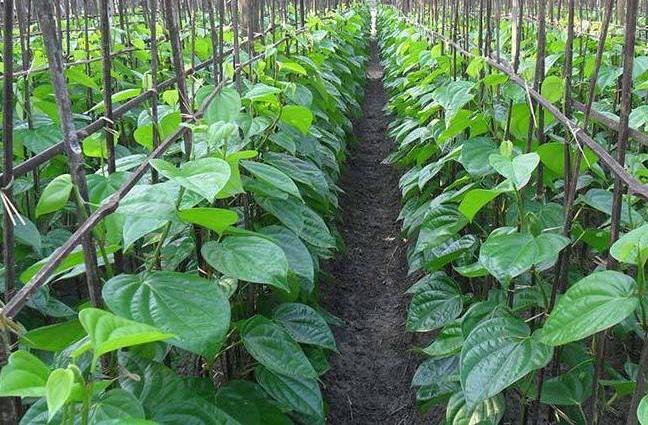
Authoor Vetrilai.
The Cultural Canvas of the Betel Leaf
To appreciate the Authoor Vetrilai, one must first grasp the broader cultural canvas of the betel leaf in Indian society. Mentioned extensively in Ayurveda and ancient Sanskrit texts as tambulam, the chewing of betel leaf with areca nut and slaked lime is an ancient custom. In Tamil tradition, Vetrilai Pakku (betel leaf and areca nut) is the ultimate symbol of auspiciousness (Mangalam). No invitation is complete without it, no festival can commence without its presence on the brass thamboolam plate, and no elder is formally greeted without the offering of these verdant leaves.
It is a great equalizer, chewed by kings in their sprawling courts and by farmers resting under the shade of a banyan tree. The leaf acts as a digestive aid, a breath freshener, and a mild stimulant. However, over the centuries, specific regions began to develop reputations for producing leaves of exceptional quality. Just as the Darjeeling region is synonymous with tea, the small cluster of villages around Authoor became synonymous with the finest, most potent vetrilai in the southern peninsula.
The Geographical Cradle: Authoor and the Thamirabarani
The secret behind the exceptional quality of Authoor Vetrilai lies not in any synthetic fertilizer or modern farming shortcut, but in the profound, ancient relationship between the soil and the river. Authoor, along with neighboring village panchayats such as Rajapathi, Korkai, Melaattur, Suganthalai, Vellakoil, Vazhavallan, and Umarikadu, forms a lush, green agricultural belt covering over 200 hectares (roughly 500 acres).
This entire ecosystem is nourished by the Thamirabarani River. Unlike many other rivers in Tamil Nadu that are seasonal, the Thamirabarani is a perennial river, originating from the Agastyarkoodam peak of the Western Ghats. As it winds its way toward the Gulf of Mannar, it carries with it a wealth of minerals and rich alluvial soil.
The soil in the Authoor region is a unique blend of riverine alluvium and clay, which provides exceptional water retention and nutrient availability. The water of the Thamirabarani itself is often credited with imparting a unique biochemical signature to the crops grown along its banks. The combination of this mineral-rich water, the specific organic composition of the Authoor soil, and the humid, coastal-adjacent microclimate creates a terroir that cannot be replicated anywhere else in the world. It is this exact geography that gives the Authoor betel leaf its signature spicy bite, its deep color, and its robust texture.
Historical Footprints: From Pandya Kings to Marco Polo
The cultivation of Authoor Vetrilai is not a recent agricultural venture; it is a living heritage that stretches back over a thousand years, intertwining with the golden eras of South Indian history. Heritage enthusiasts and avid readers of history often find that the trade and consumption of these specific leaves are beautifully documented in the annals of the great Southern empires.
The region around Authoor, particularly Korkai, was the ancient port city and early capital of the Pandya dynasty. It was a bustling hub of international trade, famous for its pearl fishery. It is no surprise, then, that the agricultural produce of this immediate hinterland was of royal quality.
The majestic temple architecture of the region serves as a stone canvas recording these agricultural grants. According to the publication Varalatril Vetrilai (Betel Leaf in History) by the Department of Archaeology, Government of Tamil Nadu, compelling epigraphical evidence exists right in Authoor. Within the ancient Authoor Somanathaswamy temple, an inscription dating back to the reign of the Pandya king Maravarman Vikrama Chola Pandian reveals fascinating administrative details. The inscription records a royal endowment made by an individual named Mangalakaludaiyar Ayyanar, mandating that betel leaves must be included in the feast provided to 15 Shiva Brahmanas on every new moon day (Amavasya). This stone edict proves that the Authoor betel leaf was already considered a premium, sacred offering worthy of royal documentation centuries ago.
Furthermore, the fame of this leaf crossed oceans and continents. In the late 13th century (around 1292–1294 CE), the legendary Venetian merchant and explorer Marco Polo visited the Coromandel Coast. In his seminal travelogue, The Travels of Marco Polo, he vividly describes the bustling port city of Kael (modern-day Old Kayal or Palayakayal), noting the local population’s ubiquitous habit of chewing betel leaves. Given that Kayal is located a mere 10 kilometers from Authoor, historians and geographical experts conclude that the spicy, pungent leaves that fascinated the great Italian explorer were almost certainly the Authoor Vetrilai.
The Anatomy of a Masterpiece: Varieties and Unique Traits
What exactly makes the Authoor Vetrilai so highly sought after? The answer lies in its unique morphology and intense flavor profile.
The farmers of the Authoor region cultivate three distinct primary variants of the leaf:
- Nattukodi: This is the most traditional and celebrated indigenous variety. It is instantly recognizable by its exceptionally long stalks. These long stalks are not just a visual quirk; they serve a vital biological function. They help the leaf retain a high level of moisture, thereby significantly increasing its shelf life. A well-packed Nattukodi leaf can remain fresh for several days, making it ideal for long-distance transport.
+1 - Pachaikodi: As the name suggests (pachai meaning green), this variety boasts a vibrant, rich green hue. It is slightly milder but visually striking, making it a favorite for ceremonial displays and wedding thamboolam bags.
- Karpoori: This variety carries a faint, natural aroma reminiscent of camphor (karpooram). It is highly prized for its medicinal properties and its sharp, invigorating taste.
When harvested and sorted for the market, the farmers categorize these leaves based on size, texture, and quality into commercial grades such as Chakkai, Maaththu, Raasi, and Sanna Ragam. Among these, the Chakkai and Maaththu grades are considered the absolute best, commanding premium prices in both domestic and national markets.
The Agrarian Art: Cultivating the Green Gold
Growing Authoor Vetrilai is an exercise in extreme patience, immense physical labor, and generational agrarian wisdom. A betel vine (kodi) is incredibly delicate and cannot withstand direct, harsh sunlight or erratic temperature fluctuations.
Therefore, the cultivation begins not with the betel vine, but with the planting of Agathi (Sesbania grandiflora) trees. These fast-growing, slender trees act as living trellises. Once the Agathi trees have reached a sufficient height, the betel vines are planted at their base. The vines slowly climb the trunks, completely enveloped in the dappled, protective shade of the Agathi canopy.
To further protect the crop from scorching winds and heat, the farmers construct elaborate enclosures using coconut fronds or modern shade nets around the perimeter of the fields, known as Kodaikkal. The environment inside a Kodaikkal is cool, highly humid, and smells intoxicatingly of wet earth and crushed greenery.
Harvesting is a delicate art. The farmers use specially designed iron thumb rings to expertly nip the stalk without bruising the leaf or damaging the parent vine. It is a labor-intensive process that relies entirely on human skill, providing direct and indirect employment to thousands of families in the Authoor and Mukkani regions.
Commercial Success: From a Tamil Village to North Indian Paan Shops
While the cultural heart of the Authoor Vetrilai beats in Tamil Nadu, its economic arteries stretch far across the Indian subcontinent. The exceptional shelf life of the Nattukodi variety, coupled with its intense, spicy bite, makes it a favorite among the paan makers (Paanwalas) of North India.
Every day, vast quantities of carefully packed Authoor betel leaves are transported via train and truck networks to major metropolitan centers. Cities like Indore, Bhopal, Jaipur, Agra, Mumbai, Delhi, and Bengaluru are massive consumers of this specific leaf. In regions where the chewing of paan is an elevated culinary art—often involving complex fillings of gulkand, sweetened fennel, and various supari blends—the thick, spicy Authoor leaf provides the perfect structural and flavorful counterbalance to the sweet ingredients.
The Road to Recognition: Securing the GI Tag
For decades, the farmers of Authoor faced a persistent threat: geographical piracy. Inferior quality betel leaves grown in other regions were frequently passed off and sold under the premium “Authoor” brand name, diluting its reputation and undercutting the rightful profits of the Thoothukudi farmers.
To safeguard their heritage, the local farming community united under the banner of the Authoor Vattara Vetrilai Vivasayigal Sangam (Authoor Regional Betel Leaf Farmers’ Association). Supported by the Tamil Nadu State Agriculture Marketing Board and the NABARD Madurai Agribusiness Incubation Forum (MABIF), they embarked on a rigorous journey to prove the unique geographical, historical, and biochemical traits of their crop.
Their meticulous documentation—ranging from soil analysis and water testing from the Thamirabarani to historical evidence citing Maravarman Vikrama Chola Pandian and Marco Polo—finally paid off. On March 31, 2023, the Geographical Indications Registry of the Government of India officially granted the GI tag to “Authoor Vetrilai”. This intellectual property right ensures that only betel leaves genuinely cultivated in the specified geographical area of Authoor and its surrounding designated panchayats can legally bear the name. It was a monumental victory, marking it as the very first betel leaf from Tamil Nadu to receive this honor.
Health, Wellness, and Ayurvedic Significance
Beyond its cultural and economic value, the Authoor Vetrilai is a powerhouse of natural health benefits. Traditional Ayurvedic and Siddha medical systems have utilized the betel leaf for millennia. The pronounced pungency of the Authoor leaf indicates a high concentration of essential oils and active biochemical compounds, including eugenol and chavicol.
Chewing the leaf stimulates the release of saliva and vital gastric juices, making it a highly effective natural digestive aid, which is why it is traditionally consumed after heavy, festive meals. Furthermore, it possesses strong antimicrobial, anti-inflammatory, and analgesic properties. In rural Tamil households, the leaf is frequently warmed over a flame, smeared with a touch of castor oil, and applied to the chests of infants and children to relieve severe respiratory congestion. The extract of the leaf is also a common ingredient in herbal liquid balms used for headache relief.
Chewing on History
The Authoor Vetrilai is far more than an agricultural commodity; it is a living, breathing artifact. It is a leaf that has witnessed the rise and fall of the great Pandya and Chola empires, survived the shifting tides of colonial trade, and emerged triumphant in the modern era of intellectual property rights.
The GI tag is not just a legal protection; it is a long-overdue tribute to the generations of farmers who have treated their vines with the tenderness one reserves for their own family. It is a celebration of the perennial Thamirabarani River, the fertile soils of Thoothukudi, and the enduring architecture of a trade network that has thrived for centuries.
As we look toward the future, the recognition of Authoor Vetrilai opens exciting new doors for international export and organized agribusiness. Yet, at its core, the essence of the leaf remains unchanged. The next time you are handed a vibrant, sharply scented betel leaf at a gathering, or when you read about the ancient maritime trade of the Coromandel coast, take a moment to appreciate the journey of the Authoor Vetrilai. In its spicy, lingering taste, you are experiencing the unbroken, verdant history of South India itself