
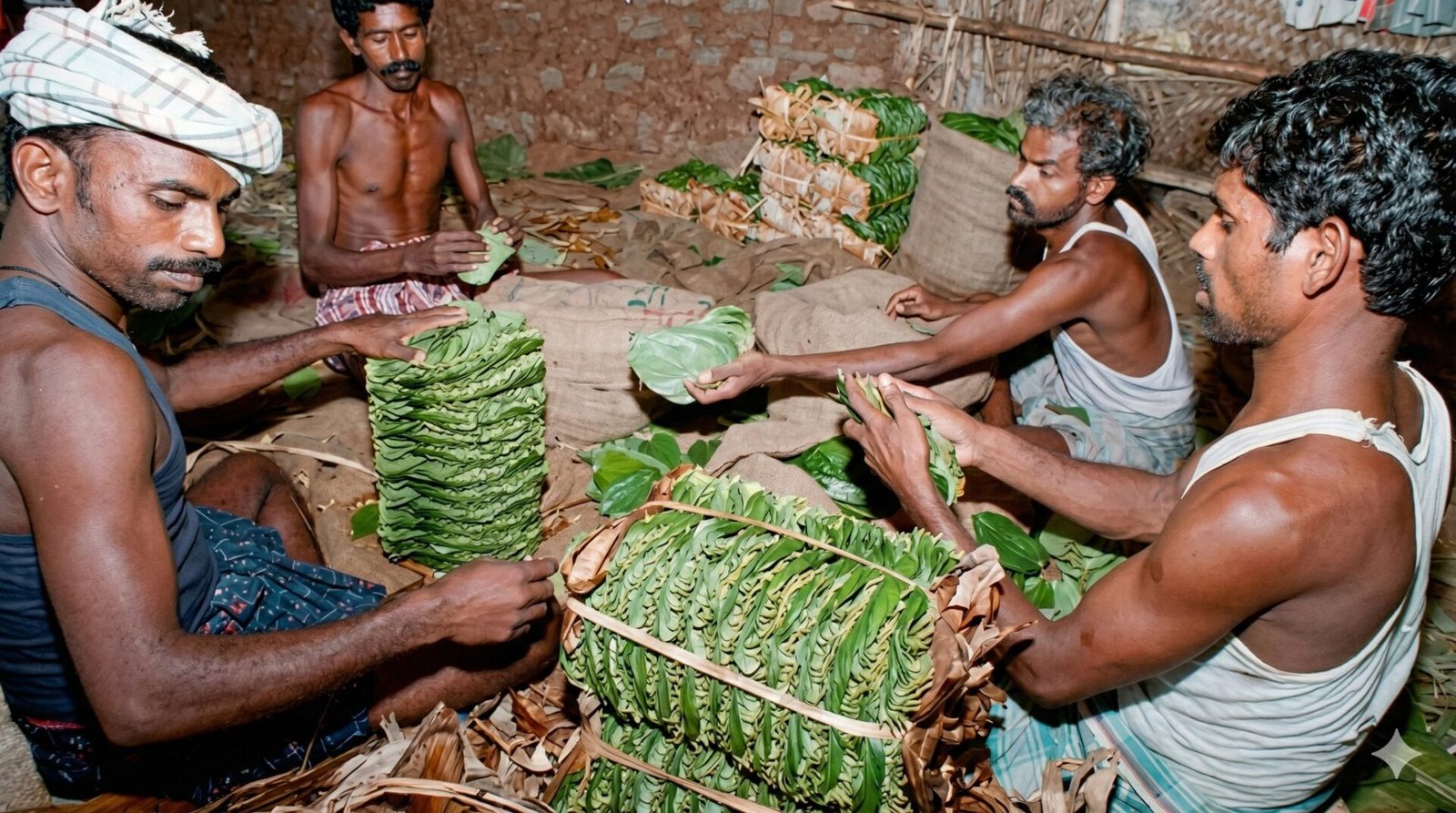
Sholavandan Vetrilai
The Emerald Heart of the Vaigai: A Cultural Landscape of the Sholavandan Vetrilai
If one were to tumble down an internet rabbit hole starting with the seemingly simple Wikipedia entry for “[Sholavandan Vetrilai – Wikipedia],” they would not merely find botanical facts about a climbing vine. Instead, they would unearth a vibrant, living history. They would discover a story that weaves together the ancient rivalries of South Indian dynasties, the intricate agro-architecture of the Tamil heartland, and the profound spiritual reverence embedded in everyday hospitality.
For thousands of years, the betel leaf—known as Vetrilai in Tamil—has been the undisputed king of Indian hospitality. From the humblest village dwellings to the grandest royal courts, the offering of Thamboolam (a customary platter of betel leaves, areca nuts, and slaked lime) is a universal gesture of respect, celebration, and goodwill. Yet, among the myriad varieties of betel leaves grown across the subcontinent, one specific leaf commands a legendary status: the Sholavandan Vetrilai. Grown on the fertile banks of the Vaigai River in the Madurai district of Tamil Nadu, this particular leaf is renowned for its intoxicating aroma, its robust shelf life, and, most famously, its fiery, pungent bite.
To understand why this leaf was recently awarded a Geographical Indication (GI) tag, we must take a deep dive into its unique terroir, its historical origins, and its undeniable place within the cultural landscapes of South India.
The Legend of the Delighted King: Tracing the Origins
The very name of the town where this leaf flourishes is steeped in ancient royal lore. Historically, the Madurai region was the stronghold of the Pandya dynasty, while the Cauvery delta to the north was the domain of the Cholas. The two great Tamil empires were locked in perennial conflict.
According to local oral histories and regional folklore, a powerful Chola king once marched his massive army southwards with the intent to conquer the Pandya capital of Madurai. As his forces advanced, they set up camp on the banks of the Vaigai River at a place then known by ancient names such as Paganur or Janakanarayana Chaturvedi Mangalam. When the king woke up and surveyed the land, he was utterly captivated. Instead of a dry, arid battleground, he found a lush, verdant paradise. The fertile alluvial plains were thick with swaying sugarcane, broad-leaved banana groves, emerald paddy fields, and labyrinthine betel vine gardens.
The extraordinary agricultural wealth of the region profoundly reminded the king of his own fertile homeland in the Tanjore delta. So deeply moved was he by the sheer beauty and agrarian prosperity of the land that his heart softened. He abandoned his plans for war, choosing peace over destruction. In Tamil, the phrase “Cholan Uvanthan” translates to “The Chola king who was delighted” or “The Chola whose heart rejoiced.” Over centuries, this phrase phonetically morphed into “Sholavandan.” Even today, owing to its remarkable agricultural output, the town is affectionately referred to as Chinna Thanjavur, or “Little Tanjore.”
The Terroir: The Alchemy of the Vaigai
What exactly makes the Sholavandan Vetrilai so superior to its counterparts grown in other regions? The answer lies in the French concept of terroir—the unique synthesis of soil, water, and climate.
The Vaigai River, which originates in the Varusanadu Hills of the Western Ghats, carries with it rich mineral deposits. As it flows through the Sholavandan and Vadipatti blocks, it deposits highly fertile alluvial soil along its banks. This specific riverine soil, combined with the region’s warm tropical climate and the unique mineral composition of the local groundwater, creates the perfect incubator for the Piper betel plant.
The leaves themselves are distinct in their morphology. A true Sholavandan betel leaf is typically broader, crisper, and features a brilliant, glossy surface. Connoisseurs of the leaf grade them primarily by color and pungency. The dark green leaves are famous for their intense, spicy bite—a heat that lingers pleasantly on the palate. The lighter green leaves offer a milder, sweeter flavor, highly sought after for daily consumption. It is this unique chemical profile, born entirely from the Vaigai’s soil, that cannot be replicated anywhere else in the world, giving the Sholavandan Vetrilai its fiercely guarded reputation.
Agro-Architecture: The Cultural Landscape of the Kodikkal
To walk into a Sholavandan betel farm—locally known as a Kodikkal—is to walk into a meticulously designed piece of ancient agrarian architecture. The cultivation of the betel vine is an incredibly labor-intensive art form, passed down through generations, primarily by the traditional agricultural communities like the Kodikkal Pillaimar.
A betel garden is a carefully curated cultural landscape. Because the betel vine is a creeper that thrives in partial shade and high humidity, the farmers must construct a living, breathing microclimate. They achieve this by planting tall, slender Agathi trees (Sesbania grandiflora) or erecting bamboo poles in precise, geometric grids. The betel vines are then trained to climb these supports.
The canopy of the Agathi trees filters the harsh South Indian sun, allowing only dappled light to reach the delicate vines below. This creates a cool, shadowed, and highly humid ecosystem, completely insulated from the dry heat of the surrounding plains. The creation and maintenance of these Kodikkals require an intimate understanding of spatial design, water management, and plant symbiosis. The farmers navigate narrow, muddy trenches dug between the rows, carefully tying the vines using natural banana fibers, ensuring that the leaves are never bruised. It is a striking example of how human ingenuity shapes the natural environment into a sustainable, productive, and aesthetically beautiful cultural landscape.
Spiritual Resonance and the Sacred Thaḷi
In Tamil culture, the material and the spiritual are deeply intertwined, and the betel leaf is the ultimate bridge between the two. The Sholavandan Vetrilai is not merely an agricultural commodity; it is a sacred offering.
Whether it is an intimate household naming ceremony, a traditional Tamil wedding, or a grand annual festival at a historic Thaḷi (the traditional Tamil term encompassing a temple or sacred space), the betel leaf is omnipresent. In the architectural grandeur of a South Indian Thaḷi, amidst the chanting of hymns and the heavy scent of camphor, the offering of Thamboolam to the presiding deity is a vital ritual. The leaf is believed to represent prosperity, freshness, and the vital life force.
The farmers of Sholavandan maintain a profound spiritual connection to their crop. It is a long-standing tradition that the first harvest of the season is never sold for profit. Instead, it is taken with great reverence and offered as a tribute to the deities at the local Thaḷis, particularly to Lord Murugan of Thiruparankundram and Lord Kallazhagar at the Alagar Hills. Furthermore, historical inscriptions found in ancient Thaḷis around the Madurai region—such as the Janakanarayana Perumal Thaḷi—reveal that local kings highly patronized these betel farmers, offering them financial incentives to supply their premium leaves for the daily rituals of the sacred spaces. This historic documentation proves that the leaf has been central to the spiritual economy of the region for centuries.
The Ayurvedic Alchemy of the Leaf
Beyond its cultural and spiritual significance, the betel leaf is deeply rooted in the ancient Indian medical system of Ayurveda. For centuries, chewing a betel leaf after a heavy meal has been a prescribed health practice, and the Sholavandan variety, with its high concentration of essential oils, is considered therapeutically superior.
When chewed, the leaf acts as a powerful carminative, stimulating the salivary glands and triggering the production of digestive enzymes. This makes it an incredibly effective natural remedy for indigestion and bloating. Furthermore, when combined with a small smear of slaked lime (Chunnambu), the betel leaf becomes an excellent delivery system for dietary calcium, traditionally used to strengthen bones and teeth. The leaf is also naturally rich in antioxidants and possesses strong antibacterial properties. In many Tamil households, the warm juice of a freshly crushed Sholavandan betel leaf is still the go-to home remedy for treating chest congestion, sore throats, and common colds in children.
The Struggle, the Decline, and the GI Tag Victory
Despite its illustrious history, the legacy of the Sholavandan Vetrilai has faced severe existential threats in the modern era. Decades ago, the town exported tens of thousands of kilograms of betel leaves daily to major cities across India and even overseas. However, in recent years, this booming trade witnessed a drastic decline.
The challenges were manifold. Severe water scarcity in the Vaigai River during drought years devastated the water-intensive Kodikkals. Rapid urbanization lured the younger generation away from the grueling, back-breaking labor of the betel gardens toward lucrative jobs in the IT and manufacturing sectors. Furthermore, a widespread societal misconception dealt a heavy blow to the industry: the rise of carcinogenic, chemically-laced commercial tobacco products (like pan masala and gutka) led many to falsely associate the pure, natural betel leaf with severe health risks, causing a sharp drop in general consumption.
Realizing that an invaluable piece of their agrarian heritage was on the verge of extinction, the farmers of Sholavandan organized and fought back. Spearheaded by local agricultural societies and the Tamil Nadu State Agricultural Marketing Board, a massive effort was launched to document the unique history, geographical specificity, and superior quality of their leaf.
Their relentless efforts culminated in a historic triumph. On March 31, 2023, the Government of India officially granted the highly coveted Geographical Indication (GI) tag to the Sholavandan Vetrilai.
This legal milestone was a monumental victory for the farmers. The GI tag serves as an intellectual property shield, legally mandating that only leaves grown in the specific micro-climate of the Sholavandan and Vadipatti regions, cultivated using the traditional methods, can be sold under this prestigious name. It protects the farmers from counterfeiters who try to pass off inferior leaves as authentic Sholavandan produce. More importantly, the GI tag has rekindled global interest in the leaf, opening up new export avenues and allowing the farmers to command a premium price that reflects the true value of their labor. In early 2024, the Indian Postal Department even released a Special Postal Cover to honor the leaf, cementing its status as a national treasure.
Preserving a Living Heritage
To hold a Sholavandan Vetrilai is to hold a fragment of Tamil history. It is a leaf that charmed a Chola king, fueled the bustling night markets of the ancient Pandya capital as chronicled in Sangam literature, and continues to be the centerpiece of devotion in the grand Thaḷis of the south.
The story of this leaf is a powerful reminder of how deeply agriculture is intertwined with our cultural identity. It highlights the importance of preserving traditional agro-architecture and the cultural landscapes that define our heritage. As the farmers of the Vaigai riverbanks continue to tend to their emerald vines, the GI tag ensures that the spicy, aromatic legacy of the Sholavandan Vetrilai will endure, offering a taste of living history to generations to come.