
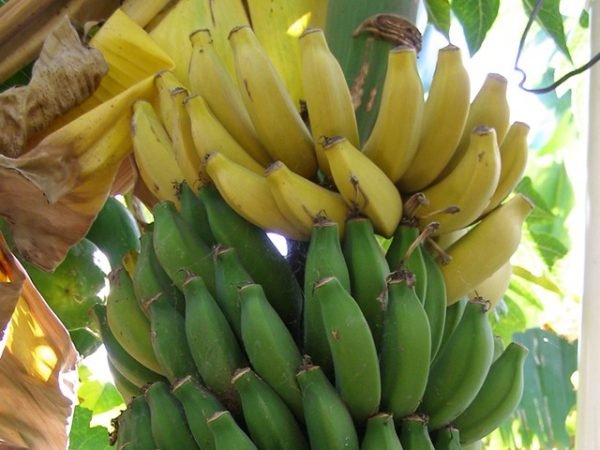
Virupakshi Hill Banana
In the vertical world of the Lower Palani Hills, where the air smells of crushed coffee beans and damp earth, a small, angular fruit holds the secrets of a thousand years. This is not just a banana; it is the Virupakshi Hill Banana, a botanical marvel that has bridged the gap between ancient alchemy and modern science. To look at it—slender, thick-skinned, and often tinged with a stubborn green even when ripe—is to see a survivor. It is a fruit that has graced the tables of Pandyan kings, served as the primary ingredient in the world’s first temple prasadam to receive a GI tag, and nearly vanished from the face of the Earth in a biological war that lasted decades.
The Birth of a Legend: From Virupakshi to the World
The name “Virupakshi” carries the weight of history, yet it is a geographical misnomer of sorts. The fruit takes its name from the small town of Virupakshi in the Dindigul district of Tamil Nadu. In the days of yore, this town served as the bustling marketplace where hill-tribe farmers would emerge from the mist-shrouded peaks of the Palani Hills with heavy stalks of bananas balanced on their heads. While the fruit was sold in the plains, its soul remained at altitudes between 3,000 and 5,000 feet.
Historical records and local folklore suggest that the Virupakshi variety has been an integral part of the region’s ecology for over two millennia. It belongs to the AAB pome genome group, a lineage that thrives only under the specific conditions of the Eastern and Western Ghats. In the 14th century, during the reign of the Pandyan King Jatavarman Sundara Pandyan, inscriptions mention the “hill banana” as a royal offering, highlighting its status as a luxury crop even in antiquity.
The Secret Ingredient: Alchemy at Palani Temple
One cannot tell the story of the Virupakshi banana without ascending the 689 stone steps of the Arulmigu Dhandayuthapani Swamy Temple in Palani. Here, the fruit undergoes a transformation from a simple crop into a divine elixir known as Palani Panchamirtham. Legend attributes the creation of the temple’s main deity to the sage Bogar, one of the 18 great Siddhas. Bogar is said to have crafted the idol from Navapashanam—nine poisonous substances which, when combined through alchemy, became a potent medicine.
The Virupakshi banana was chosen as the primary base for the Panchamirtham due to its unique “dry pulp” (low moisture) characteristic. Unlike common bananas that ferment and spoil within days, the Virupakshi variety acts as a natural preservative. When mixed with jaggery, honey, ghee, and cardamom, it creates a jam-like substance that remains fresh for months without refrigeration. This “biological anchor” allows the prasadam to travel across oceans, carrying the healing properties of the temple to devotees worldwide.
Terroir and the Art of Slow Growth
In an age of industrial farming where speed is everything, the Virupakshi banana is a lesson in patience. While commercial varieties like the Cavendish are pushed to harvest in ten months, the Virupakshi demands a full 15 to 18 months to mature. It is a rain-fed perennial crop, often grown in a delicate multi-tier system intercropped with coffee and pepper. This traditional method allows the banana plants to act as “shade trees” for young coffee, while the decaying leaves provide organic mulch that enriches the soil.
The “Virupakshi Terroir” consists of well-drained loamy soil, high relative humidity, and a specific temperature range of 17°C to 35°C. This environment produces a fruit with a staggering sugar content of 21° Brix, paired with a subtle acidity that gives it a complex, sub-acidic flavor profile. Even its physical form is distinct—angular with five prominent ridges and a “beak” at the apex, it feels more like a wild fruit than a domesticated staple.
The Great Crisis: A Battle Against the Bunchy Top
The 1970s and 80s brought a shadow over the Palani Hills that nearly extinguished the Virupakshi legacy. The Banana Bunchy Top Virus (BBTV), a devastating disease spread by tiny aphids, swept through the plantations. What was once 18,000 hectares of lush greenery shrank by over 90%, leaving barely 2,000 hectares of infected mats. The “Queen of Hill Bananas” was officially listed as an endangered variety.
The rescue of the Virupakshi is a testament to the collaboration between traditional farmers and modern science. The National Research Centre for Banana (NRCB) and Tamil Nadu Agricultural University (TNAU) stepped in, using tissue culture technology to create virus-free “mother plants.” Farmers were incentivized to destroy infected groves and replant with these lab-certified kents. This rejuvenation effort was so successful that in 2008, the Virupakshi Hill Banana was granted a Geographical Indication (GI) tag, ensuring that its name and quality remain protected from imitators.
The Pharmacy in a Peel: Medicinal Marvels
Beyond its culinary and religious significance, the Virupakshi banana is a cornerstone of Siddha and Ayurvedic medicine. Recent scientific studies have even explored its anti-colorectal cancer properties, with in-vitro assays showing that the fruit’s juice has the potential to inhibit certain cancer cell lines.
For the average consumer, its benefits are more immediate. High in potassium (460 mg per 100g) and rich in fiber, it is the gold standard for digestive health and nervous system regulation. In South Indian households, it is often the very first solid food given to infants—not just for its nutrition, but for its legendary purity.
A Legacy Preserved for 2026 and Beyond
As we stand in 2026, the Virupakshi Hill Banana has transitioned from a local secret to a global heritage icon. It represents a way of life that refuses to be hurried. It is a crop that protects the mountainside from erosion, provides a sustainable income for hill tribes, and continues to be the vessel for a divine tradition. To eat a Virupakshi banana is to taste the history of Tamil Nadu—a flavor that is as deep as the valleys and as enduring as the hills.
Virupakshi Hill Banana, Palani Panchamirtham ingredients, GI Tag bananas Tamil Nadu, Virupakshi vazhaipazham history, Malai Vazhai benefits.
Why Virupakshi banana is used in Palani temple, history of hill bananas in Western Ghats, medicinal properties of Virupakshi banana, difference between Sirumalai and Virupakshi banana, how to identify real Virupakshi banana.
#VirupakshiBanana #PalaniHills #GITag #TamilNaduHeritage #SustainableFarming #Panchamirtham #AncientGrainsAndFruits #SiddhaMedicine #IndianAgriculture #HillBanana